AI in law: junior jobs are fine, the training isn't
City trainee numbers flat for five years, despite legal AI
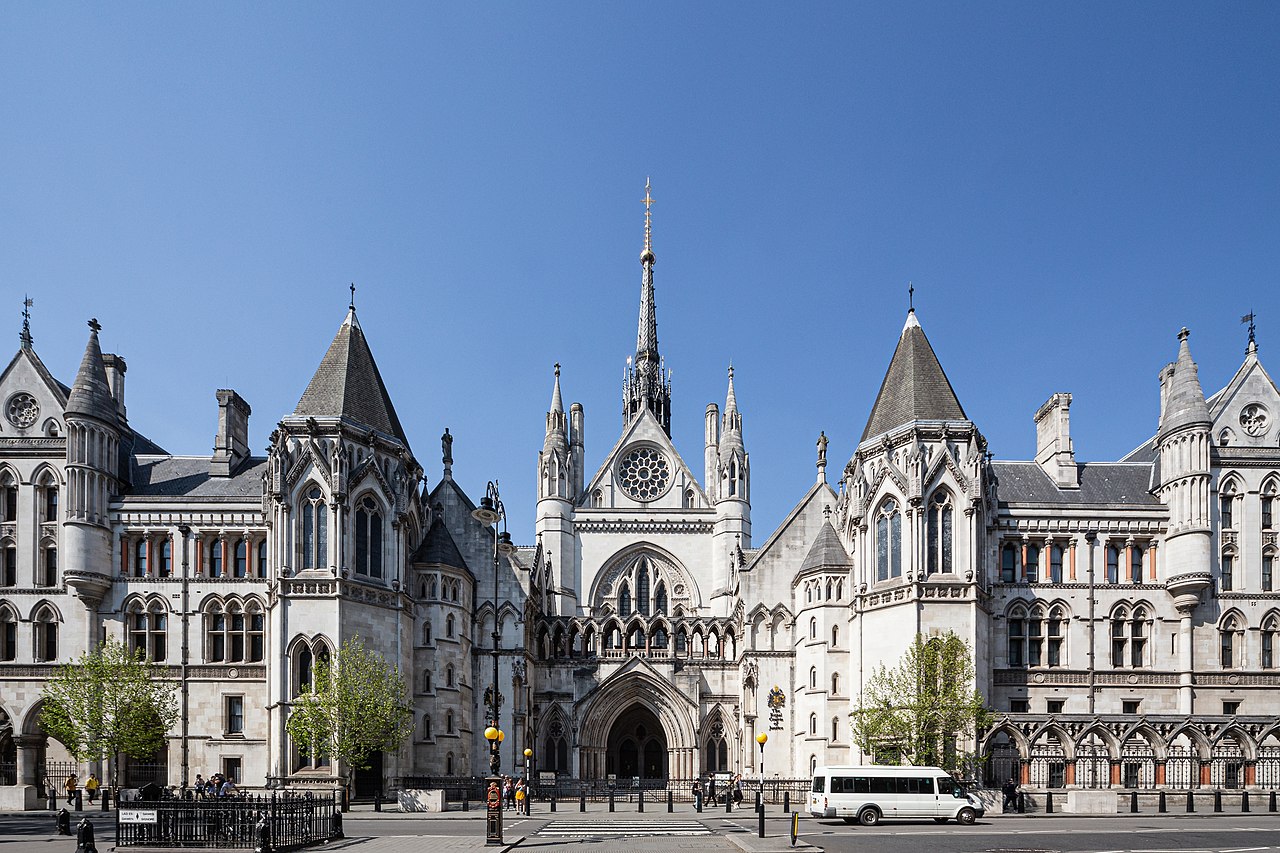
Harvey is valued at $11B and used by over 100,000 lawyers. And City training contract numbers... have barely moved in five years.
So the "AI will kill junior lawyers" story has a problem.
AI in law is very real, the jobs data just doesn't match the headlines (yet). What the data does show is worse for trainees, and it isn't about headcount.
The consensus: legal AI kills junior lawyer jobs
The argument goes:
→ juniors do document review, due diligence and research → AI now does those faster → so firms hire fewer juniors
And there's evidence to point at.
In Australia, MinterEllison cut its 2025-26 graduate intake from 100 places to 72 (Legal Cheek).
In the US, NALP data shows firms with 500+ lawyers hired 7.5% fewer entry-level associates from the Class of 2025, roughly 540 fewer people.
Meanwhile the money keeps flowing. Harvey raised $200M at an $11B valuation in March, with over 100,000 lawyers across 1,300 organisations using it (CFOtech).
What the junior lawyer hiring data actually says
Look closer though:
- Legal Cheek's research found City training contract numbers have "remained stable for the past half a decade"
- Latham & Watkins is growing its summer associate programme from 122 to around 170 for 2027
- The NALP Class of 2025 still posted the second-highest employment rate in NALP history
- NALP expects 2026 to dip too, because firms took fewer summer associates in 2023 and 2024. That's a pipeline decision made years ago
- Even Above the Law says it's "far too early to call that a definitive trend" that AI is behind it
So the tools are everywhere and the trainee seats are mostly still there. The consensus gets the WHAT wrong.
Where the consensus is right: the junior lawyer training gap
It's right about the risk, just not the headcount.
LexisNexis surveyed 873 UK lawyers for its "mentorship gap" report:
→ 72% worry juniors using AI will struggle to develop legal reasoning and argumentation → 69% worry new lawyers lack verification and source-checking skills → only 2% think AI strengthens juniors' learning → half of junior lawyers worry about becoming too reliant on AI themselves
And a Positive Group report, built on interviews with 16 senior leaders from firms including A&O Shearman and White & Case, found AI is automating exactly the review, diligence and research work trainees used to build judgement on.
The bigger worry: juniors getting pushed into higher-level work before the basics are there.
bad outcome: fewer trainees worse outcome: the same number of trainees who never properly learnt to read a contract
What law school won't teach you about legal AI
Law school marks you on finding the answer.
Practice now rewards checking someone else's answer (and that someone is often a legal AI tool).
Hardly anyone teaches you:
- how to verify a citation fast
- how to spot what a summary left out
- how to explain why a draft is wrong, not just that it feels off
A critical-thinking framework for trainee lawyers using AI
Five questions for every AI-assisted piece of work:
- Where's the authority? Every case, clause and statute traced back to the primary source. No source, no sentence
- What did it not read? Which documents were in scope, which weren't, and what's sitting in the data room it never opened?
- Could I have found this myself? Once a week, do the first pass by hand and then compare. That's your training, so protect it
- What would the other side say? Ask the tool to argue against its own output, then decide who actually wins
- What does the client need? A perfect memo that answers the wrong question is still the wrong memo
What to do this month
- Run a verification drill: take an AI-generated legal summary and check every authority in it. Count what you'd have missed
- Read one full judgment end to end. No summary, no headnote
- At vac schemes and interviews, ask how the firm trains juniors on AI-assisted work and who checks it. The answer tells you a lot
- Keep a log of the AI errors you catch. It's honestly the best interview story you'll have
so TLDR: legal AI isn't emptying the trainee intake, it's emptying the training, so build the judgement on purpose.
What's one legal task you'd insist on doing by hand during your training contract?
Sources
- White collar jobpocalypse: Is AI really going to cut trainee lawyer numbers, or might it end up boosting them?Legal Cheek · 24 JUN 2026
- Biglaw is bigger than ever, but its associate classes are getting smallerAbove the Law (reporting NALP Class of 2025 data) · 06 AUG 2026
- Harvey raises USD $200 million in AI legal fundingCFOtech · 25 MAR 2026
- Lawyers worried about impact of AI on training next generationLegal Futures (reporting LexisNexis, The mentorship gap) · 02 FEB 2026
- Junior lawyer development at risk as AI takes over volume work, research warnsLegal Cheek · 22 APR 2026
Get the next issue by email
theVANTAGEd is written by students to bring critical thinking to AI across real industries. One issue every two weeks.


